
Serenity Power brings fuel-cell technology closer to the field
General, 21 Oct 2026
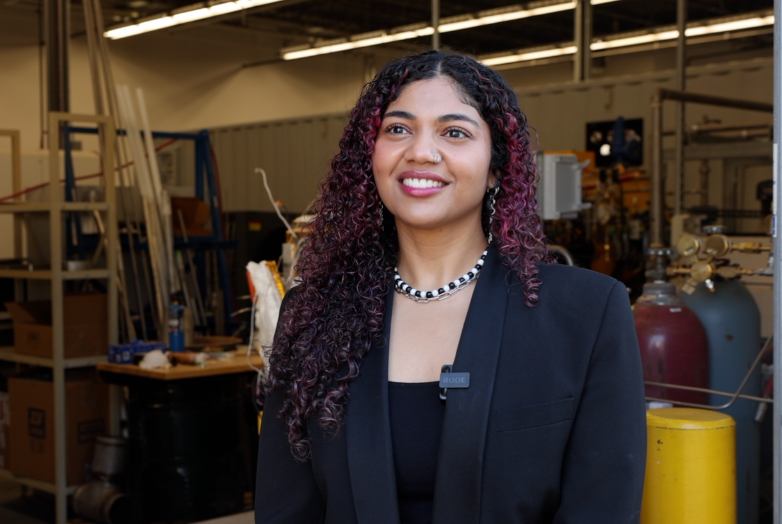
For people and businesses beyond the electricity grid, reliable power can be difficult to secure. Diesel generators fill that gap for many remote communities and industrial sites, but fuel deliveries and disruptions can leave users vulnerable.
For Aleisha Cerny, CEO and co-founder of Serenity Power, learning about those challenges made the need for an alternative feel urgent.
“I really take power for granted,” Cerny said. “I just thought this is an issue worth solving.”
Serenity Power is developing compact fuel-cell generators to supply electricity in remote locations. The company is working with utilities and oil and gas companies on power for critical infrastructure, with the broader goal of making clean, affordable electricity more accessible.
Its technology uses solid oxide fuel cells, which can generate electricity from different fuels at high efficiency. Cerny says Serenity Power’s approach eliminates fuel-processing steps and the need for water associated with competing systems, making its generators simpler, lighter and more portable.
The team is starting small: a 100-watt generator to power SCADA and instrumentation in the field, with plans to develop larger systems of 100kW and beyond. For Michael Pastula, the company’s chief technology officer and an experienced fuel-cell engineer, that approach offers a practical route to commercialization.
“We can get to the field quicker,” said Pastula. “We can get to revenues quicker,” he added.
With research roots at the University of Toronto, Serenity Power relocated to Calgary to be closer to customers in the energy and utilities sectors. The Innovation Catalyst Grant (ICG), via Innovate Calgary, offered support for another challenge: turning laboratory research into a commercial product.
Through the program, the company has received funding, tailored mentorship, and access to lab space. Prototyping facilities at Innovate Calgary’s Aerospace Innovation Hub have helped the team build its first fuel-cell stacks and prototypes, while University of Calgary graduate interns have contributed to its progress.
For Pastula, access to shared equipment is essential to working with materials, testing components, and developing the technology. For Cerny, the community of founders has been equally valuable.
“We share our challenges,” Cerny said. “There are so many times when I’ve just been talking about a challenge I’m experiencing, and someone raises their hand and says, ‘Hey, I’m going through the same thing. Here’s what I did.'”
Currently, Serenity Power raised approximately $1.1 million in pre-seed funding and secured a paid pilot with a customer in Europe. Combined with grants, including ICG support, that investment is helping the team build a laboratory prototype and a packaged unit for the pilot.
The company had also begun a USD $5 million seed fundraising round to support manufacturing, supply-chain development, designing and building larger systems, and its next generation of fuel cells.
As Serenity Power prepares to take its technology into the field, its focus remains on a need that first motivates Cerny: reliable and affordable electricity for people and operations beyond the grid.